How to Choose the Right Aircon for Your HDB or Condo
Complete guide to choosing an aircon for your HDB or condo in Singapore. Covers system types, BTU sizing, top brands, energy efficiency ticks, and budget planning.

Philips
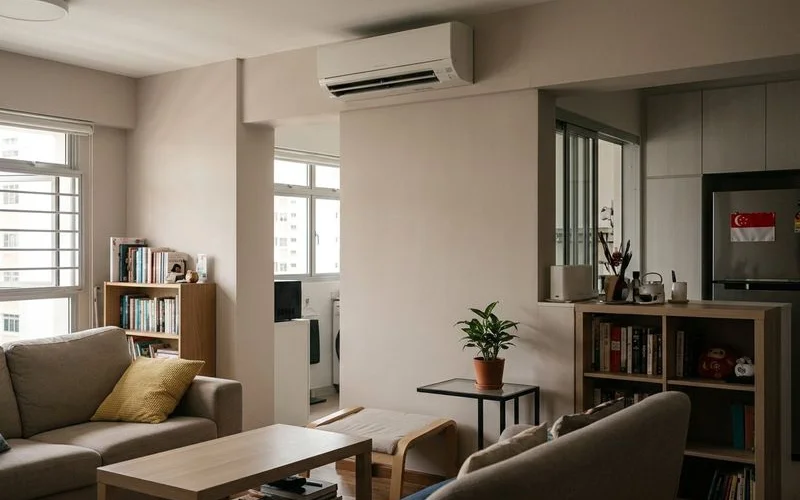
We know the feeling of staring at a wall of white plastic boxes in an electronics store.
Figuring out how to choose the right aircon for your HDB or condo is a significant decision you will live with for the next 8 to 12 years. The wrong choice guarantees years of high electricity bills, inadequate cooling, or expensive regrets.
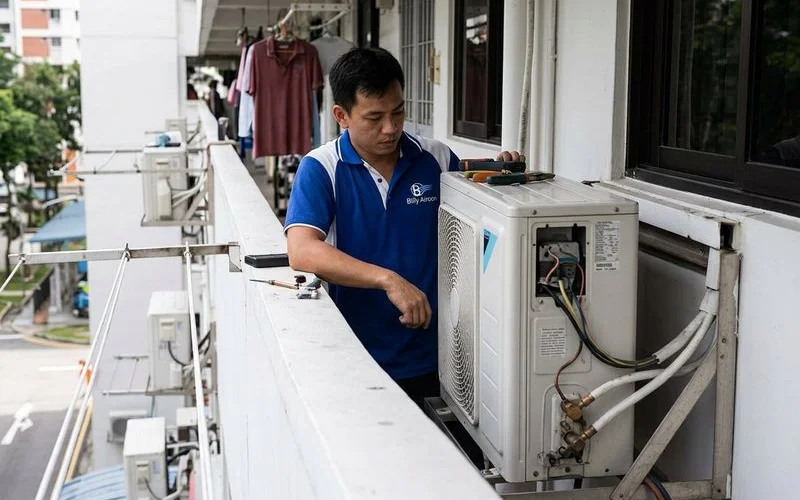
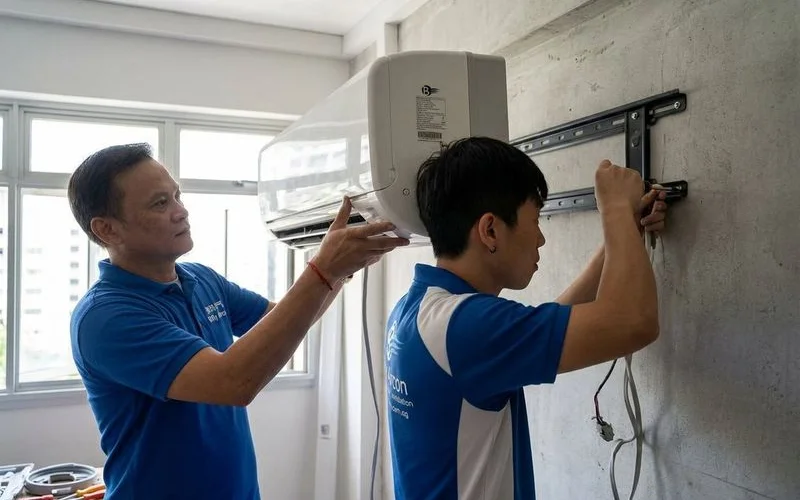
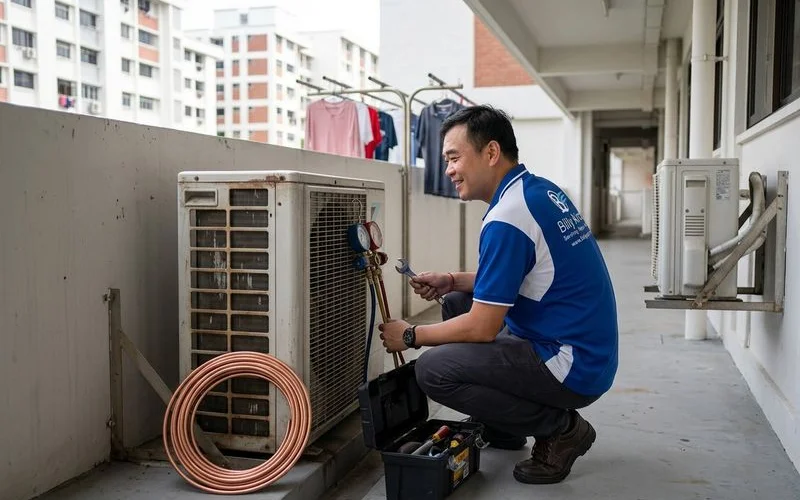
Our team at Billy Aircon started with just five people back in 2003. Today, the company has grown to a dedicated crew of 26 professionals keeping Singapore cool. From what we see across thousands of local installations, the sales brochures leave out the most critical practical details.
This guide separates the standard setups from the truly great ones. Let us look at the actual data, examine what it means for your living space, and explore the exact configurations that work best.
Step 1: How to Choose the Right Aircon for Your HDB or Condo by System Type
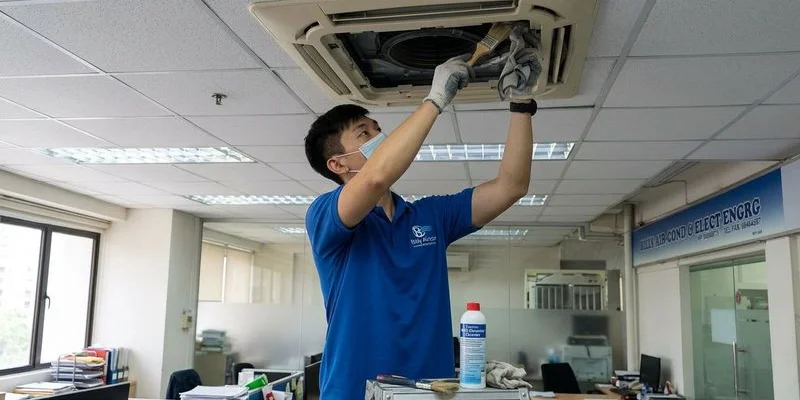
We divide the market into four main categories. Selecting the correct foundation prevents major headaches down the road.
Single Split System
One indoor fan connects to a single outdoor compressor. This is a very straightforward setup.
- Best for: Individual rooms, studio apartments, or older HDB flats needing cooling in just one specific area.
- Pros: These offer the lowest upfront cost and simple maintenance. A breakdown only affects one room.
- Cons: You need dedicated outdoor space for every compressor you install.
- Cost: $800 to $1,500 per set (unit plus installation).
Multi-Split System
A single outdoor unit can power up to five indoor units. Most modern 4-room BTO flats use a System 3 or System 4 configuration.
- Best for: Standard 3-room to 5-room HDB flats and condominiums with restricted aircon ledge space.
- Pros: This setup saves valuable exterior space. You still get independent temperature controls for every room.
- Cons: The initial investment is much higher. A single compressor failure shuts down cooling for the entire house.
- Cost: $2,500 to $5,000 for a typical 3 to 4 unit system.
Ceiling Cassette
These units mount flush into the ceiling structure. You only see the decorative grille.
- Best for: Open-concept living areas or commercial spaces with high ceilings.
- Pros: Cool air distributes evenly in four directions. The aesthetic is clean and modern.
- Cons: Your ceiling requires a minimum 25cm drop to hide the machinery. Maintenance is harder and requires ladder access.
- Cost: $2,000 to $3,500 per installed unit.
Ducted System
The entire system hides in the ceiling void. Cooled air travels through insulated flexible ducts to discrete vents.
- Best for: Luxury condominiums or landed properties undergoing major renovations.
- Pros: The machinery is completely invisible. Temperature control is incredibly uniform across large spaces.
- Cons: This requires significant structural space and a large budget. Routine duct cleaning is an absolute must.
- Cost: $5,000 to $15,000 depending on the coverage area.
Step 2: Get the BTU Sizing Right
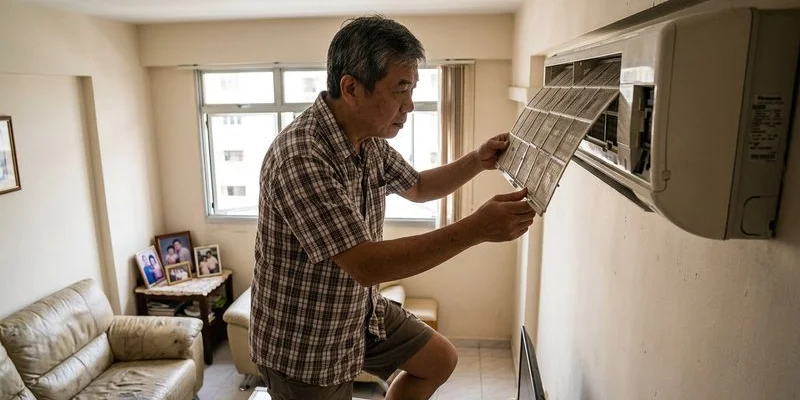
We regularly see homeowners make mistakes with BTU calculations. British Thermal Units measure the specific cooling capacity of your machine. Singapore features year-round tropical humidity, meaning you need a higher baseline capacity than what generic international guides recommend.
Singapore BTU Sizing Guide
| Room Size | BTU Needed | Typical Room |
|---|---|---|
| 50-80 sq ft | 6,000-8,000 | Small bedroom, study |
| 80-120 sq ft | 9,000-12,000 | Master bedroom (HDB) |
| 120-180 sq ft | 12,000-15,000 | Large bedroom, small living room |
| 180-250 sq ft | 18,000-20,000 | Open-plan living/dining |
| 250-350 sq ft | 22,000-24,000 | Large living room (condo) |
Critical Heat Load Factors
Your base calculation must adapt to your home’s unique layout.
- West-facing rooms: Direct afternoon sun creates a massive heat load. Add 10 to 15% more BTU capacity.
- High ceilings: Condos with 3-meter ceilings hold significantly more air volume. Increase your sizing accordingly.
- Top floor units: A sun-baked roof transfers heat directly into your living space. Add another 10%.
- Large windows: Floor-to-ceiling glass acts like a greenhouse. You will need extra power to compensate.
- Open kitchens: Cooking generates intense ambient heat. A living room unit must account for this adjacent heat source.
The Dangers of Incorrect Sizing
We strongly advise against guessing your BTU requirements. A 2025 consumer study highlighted that poorly sized units account for the majority of premature compressor failures.
An undersized unit will run non-stop. This leads to massive utility bills, worn-out parts, and a room that always feels slightly warm.
An oversized unit presents a different problem. The machine cools the air rapidly and shuts off before it can extract the humidity. You end up with a room that feels cold but uncomfortably clammy, which encourages mold growth.
Step 3: Pick the Right Brand
Our technicians service thousands of units annually. Five major manufacturers dominate the Singapore residential market.
Daikin
Daikin holds a massive share of the local market. They are highly regarded for durable inverter technology and excellent spare parts availability.
- Standout Feature: The newer models utilize R32 refrigerant, which improves cooling efficiency while lowering environmental impact.
- Strengths: Exceptional durability and a highly responsive servicing network.
- Price range: Mid to high.
- Best models: FTKF series for individual rooms, and the MKM series for multi-split setups.
Mitsubishi Electric
We frequently install these systems in high-end condominiums. The build quality is superb, and the plastics resist yellowing over time.
- Standout Feature: The Starmex series operates at an incredibly low 19 decibels, making it almost silent.
- Strengths: Premium construction, whisper-quiet operation, and a very long lifespan.
- Price range: High.
- Best models: The Starmex FN series remains the gold standard for residential cooling.
Panasonic
This brand strikes an excellent balance between reliable performance and upfront cost. They are a staple in HDB estates across the island.
- Standout Feature: The proprietary nanoe-X technology actively purifies the air and inhibits bacteria growth.
- Strengths: Great value, built-in air purification, and solid energy efficiency.
- Price range: Mid.
- Best models: The X-series offers their most advanced premium features.
Midea
Midea has expanded rapidly in Singapore over the last few years. The brand provides a very compelling option for budget-conscious homeowners.
- Standout Feature: Their rapid-cooling compressor technology drops room temperatures incredibly fast.
- Strengths: Highly affordable pricing combined with rapidly improving after-sales support.
- Price range: Budget to mid.
- Best models: The Xtreme Save series is highly popular.
LG
LG appeals strongly to tech-savvy users who want smart home integration. Their dual inverter compressors are heavily refined.
- Standout Feature: The built-in Wi-Fi and ThinQ app allow you to monitor power usage directly from your phone.
- Strengths: Excellent smart controls, sleek modern aesthetics, and strong energy efficiency.
- Price range: Mid.
- Best models: The Artcool series features a striking mirror-glass finish.
Step 4: Understand Energy Efficiency
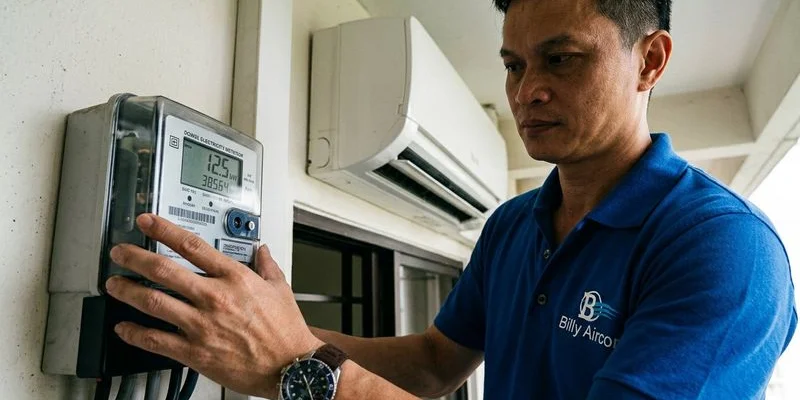
We tell every customer to pay close attention to the NEA energy label. The National Environment Agency rates appliances from 1 to 5 ticks in Singapore. More ticks equal higher efficiency and lower monthly bills.
The Real Cost Difference
| Rating | Annual Electricity Cost* | 10-Year Estimated Cost |
|---|---|---|
| 2 ticks | ~$600 | ~$6,000 |
| 3 ticks | ~$480 | ~$4,800 |
| 4 ticks | ~$400 | ~$4,000 |
| 5 ticks | ~$350 | ~$3,500 |
Based on 8 hours of daily usage for a 9,000 BTU unit at current SP Group tariffs.
A premium 5-tick unit might cost $300 more upfront than a basic 2-tick model. You will easily recover that difference through utility savings within the first three years.
Inverter vs Non-Inverter Compressors
Our standard advice is to always choose an inverter model. A non-inverter compressor operates at 100% capacity until the room is cold, then shuts off entirely. This creates massive power spikes and uneven temperatures.
Inverter technology changes the game completely. The compressor smoothly adjusts its speed to match the exact cooling demand of the room. This targeted approach consumes up to 50% less electricity over a standard operating cycle.
Step 5: HDB vs Condo Installation Rules
We deal with different regulatory environments every single day. Installation rules vary wildly depending on your property type.
HDB Installation Requirements
- Weight Limits: HDB strictly limits the total weight on a standard aircon ledge to 80kg for newer BTO flats.
- Outdoor Placement: Condensers must sit on the designated structural ledge using approved stainless steel brackets.
- Drainage Rules: Condensation pipes must route to the nearest internal floor trap.
- Corridor Restrictions: You cannot mount any equipment along common HDB corridors.
- Power Supply: Each compressor requires a dedicated 15-amp or 20-amp electrical isolator switch.
Condominium Installation Rules
- MCST Approvals: Management corporations usually require formal approval before any work begins.
- Working Hours: Condos generally restrict noisy works to weekdays between 9 AM and 5 PM.
- Aesthetic Guidelines: The management often dictates exactly where trunking can run to preserve the building’s exterior look.
- Concealed Piping: Many luxury units feature pre-laid copper pipes hidden inside the walls.
- High-Rise Safety: Installing units on high floors often requires specific scaffolding or specialized safety harnesses.
Step 6: Budget Planning
We believe in complete transparency regarding material costs. A cheap installation usually means the contractor is cutting corners on the hidden materials.
Total Cost Breakdown Guide
| Component | System 1 (Single Split) | System 3 (Multi-Split) |
|---|---|---|
| Equipment | $500 to $1,000 | $2,000 to $3,500 |
| Labor & Installation | $300 to $500 | $800 to $1,500 |
| Upgraded Materials | $100 to $300 | $300 to $600 |
| Electrical Works | $50 to $150 | $100 to $300 |
| Estimated Total | $950 to $1,950 | $3,200 to $5,900 |
Crucial Hidden Costs
Our technicians always inspect the site to check for these additional factors.
- Material Quality: Upgrading to thicker 22 SWG copper pipes and Class 0 insulation prevents condensation leaks later.
- Chemical Flushing: Switching from older R22 gas to modern R32 requires a thorough chemical flush of existing pipes. Expect to pay $100 to $200 for this.
- Electrical Upgrades: Older resale flats may require a brand new electrical breaker box. This costs around $150 per upgraded point.
- Dismantling Fees: Safely recovering the old refrigerant and disposing of the heavy machinery costs about $50 to $100 per unit.
Our Top Recommendation
We highly recommend a 5-tick Multi-Split System 3 from Daikin or Mitsubishi Electric for a standard 4-room HDB flat. Budget around $3,500 to $4,500 for the equipment and high-grade installation materials.
Condominium owners dealing with tight spaces should consider a ceiling cassette for the living room paired with standard wall units in the bedrooms. This combination delivers a premium feel alongside practical daily cooling.
Our experience shows that professional installation is non-negotiable, and ongoing aircon servicing in Singapore keeps your investment performing at its best. A top-tier machine will still leak, rattle, and fail early if installed with thin, cheap copper piping. At Billy Aircon, our team handles every job with strict vacuum testing, precise leak checks, and proper commissioning.
Figuring out how to choose the right aircon for your HDB or condo does not have to be stressful. Contact Billy Aircon for a free, comprehensive on-site assessment. We will measure your exact floor plan, verify your structural ledge limits, and recommend the perfect setup for your family.
Need Professional Aircon Help?
Our experienced technicians are ready to help. WhatsApp us for a fast response — 24 hours guaranteed.
WhatsApp Us Now